Fish Filleting Knives for Exactitude and Simplicity
Fish boning knives are essential for anyone processing fish. They offer a range of options, from flexible to stiff blades, tailored for various filleting needs. The right blade length and material can greatly impact the usability and accuracy. Comprehending these factors is essential for both beginners and experienced cooks. Yet, many are unaware of the nuances that can improve their filleting skills. What considerations should one keep in mind when choosing the perfect knife?
Styles and Traits of Fish Fillet Knives
Fish filleting implements come in various types, each meant to enhance the exactitude and effortlessness of the filleting undertaking. Common types include flexible, stiff, and electric filleting implements. Flexible implements display a flexible blade, facilitating for intricate cuts and fluid separation of the flesh from the bone. Stiff implements, on the other hand, provide more control for larger fish, rendering it easier to handle tough skin and bones. Electric filleting knives expedite the undertaking, passing through fish with negligible effort, ideal for those deboning multiple fish at once.
Additionally, the knife materials vary, with stainless steel being popular for its rust protection and durability. Features such as comfortable grips and non-slip holds increase safety and comfort during use. Each type and feature is see information on this intended to address different skill levels and tastes, ensuring that both novice and experienced anglers can achieve great results while filleting their catch.
How to Select the Right Blade Length for Filleting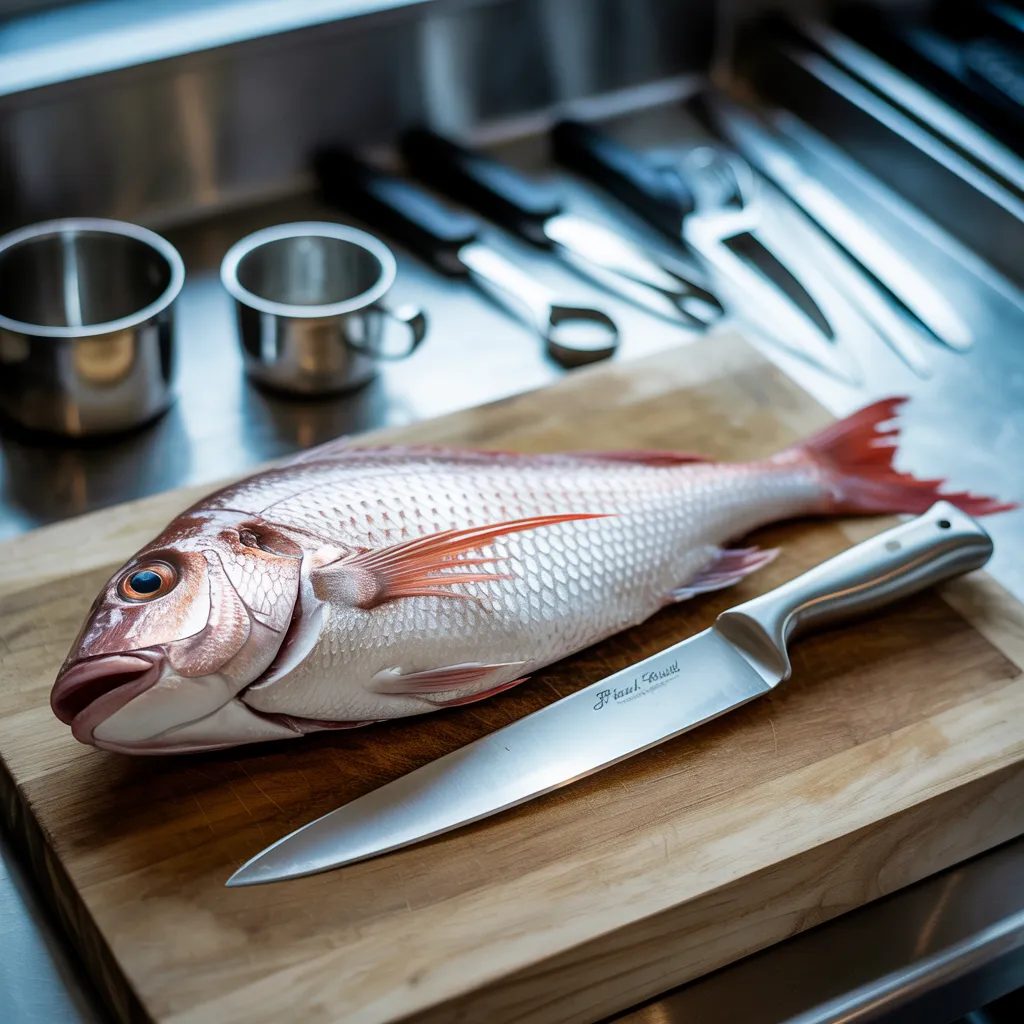
Selecting the proper blade length for filleting is vital for achieving precise cuts and ideal results. Generally, the blade length should correspond to the size of the fish being processed. For smaller species like trout or perch, a blade length of 6 to 7 inches is often sufficient, allowing for maneuverability and precision. In contrast, larger fish such as salmon or tuna benefit from longer blades, typically ranging from 8 to 10 inches.
A longer blade facilitates clean, sweeping cuts along the fish’s body, minimizing the risk of damaging the flesh. Additionally, the flexibility of the blade plays a key role; a more pliable blade can adapt better to the contours of the fish, enhancing both precision and usability. Ultimately, the right blade length, combined with flexibility, guarantees effective filleting, simplifying the process and producing superior outcomes.
Superior Components for Fish Filleting Knives
When considering the best substances for fish filleting knives, the selection of blade makeup greatly impacts performance. High-carbon stainless steel is frequently preferred for its superior edge durability and protection to rust, making it perfect for wet environments. This material strikes a harmony between durability and keenness, allowing for precise cuts.
An additional sought-after option is flexible stainless steel, which boosts mobility when preparing fish, giving you the capability to move through bones and skin effortlessly.
Numerous knives depend on ceramic blades, lauded for their exceptional hardness and freedom from rust; nonetheless, they can become easily damaged and may chip under stress.
The handle material also proves crucial, with options ranging from wood to synthetic composites, each offering varying levels of grip and comfort. Ultimately, the selection of materials dictates not only the knife's performance but also the user's overall experience in filleting fish.
Essential Techniques for Deboning Fish: A Novice Guide
In the domain of fish filleting, selecting the suitable knife is crucial for achieving clean cuts and decreasing waste. Grasping the methodical process of filleting can greatly develop the skill set of a beginner. Mastering these essential techniques sets the foundation for effective and productive fish preparation.
Finding The Ideal Knife
Determining the optimal knife is important for achieving precise and efficient fish filleting. Various considerations direct this choice, including blade bendability, length, and material. A flexible edge supports excellent maneuverability around bones, making it easier to extract the flesh from the skeletal framework. Regularly, filleting knives range from 6 to 9 inches in length, with longer blades appropriate for larger fish. Also, high-carbon stainless steel is usually selected for its sharpness and durability. Grip comfort also remains significant; a expertly designed handle lessens fatigue during prolonged work. At last, choosing a knife that harmonizes these aspects will notably enhance the filleting experience, creating precise slices and limiting unnecessary waste.
Step-By-Step Filleting Process
Learning the step-by-step filleting process converts a whole fish into gorgeous, boneless fillets. The journey begins with fastening the fish on a cutting board, ensuring stability. Next, employing a sharp filleting knife, one should make an incision behind the gills, cutting down to the backbone. With the knife angled, the fillet is then gently separated from the bones, tracing the contour of the spine. Once the first side is finished, the fish is flipped to repeat the technique on the other side. After both fillets are removed, it's essential to trim away any remaining bones and skin. Finally, washing the fillets under cold water guarantees they are clean and ready for cooking. This method yields precise, professional results.
techniques for caring for Your Fish Filleting Knife to deliver sustained durability
A fish filleting knife requires proper maintenance to preserve its lifespan and peak performance. Regular washing following every use is necessary. You should clean the knife using warm water with soap, avoiding harsh scrubbing materials that might harm the blade. It's necessary to completely dry the knife to ward off oxidation and rust, particularly when the blade is constructed from carbon steel.
The care of the knife includes sharpening the edge, which is an essential step. Employing a whetstone or a honing rod helps to maintain the edge, ensuring smooth cuts for filleting. It is best to sharpen the knife regularly according to how often it is used.
Proper care of the knife will also extend its life. A knife cover or magnetic strip can protect the blade from damage and maintain secure storage. Additionally, periodic oiling of the blade can prevent moisture buildup and rust. By following these procedures, the durability and performance of a fish filleting knife can be greatly enhanced.
Leading Fish Filleting Knife Lines for Every Skill Level
When opting for a fish filleting knife, aficionados and specialists alike can profit from looking into various brands that support different skill levels. For starting out, brands like Rapala and Morakniv present cost-effective, intuitive options that concentrate on ease of use and safety. These knives regularly present comfortable grips and pliable edges, rendering them perfect for novice fishers.
Intermediate practitioners may opt for brands such as Dexter Russell and Bubba Blade, which blend quality and performance. Their knives often utilize durable materials and ergonomic designs, allowing for more detailed filleting techniques.
For experienced professionals, manufacturers like Wüsthof and Global stand out with their superior craftsmanship and excellent steel. These knives are engineered for precision, providing superior control and longevity. By evaluating these top manufacturers, fishers at any experience level can improve their filleting experience, consequently producing superior results on the water.
Frequently Requested Questions
Can Fish Filleting Knives Appropriate for Other Meat Choices?
Fish filleting knives can be utilized for other types of meat, although their design primarily is designed for fish. Their sharpness and flexibility may assist with filleting poultry or trimming meats, albeit with less efficiency.
How Many Times Should I Sharpen My Fish Filleting Knife?
A fish filleting knife needs to be maintained regularly, ideally after every several uses, to preserve its precision. Frequent honing helps assure clean cuts and improves the overall experience when preparing fish or other meats.
Are Electric Filleting Knives Justified as the Purchase?
Those looking for speed and convenience may find electric filleting knives to be a worthwhile investment. These tools cut down effort and improve uniformity, especially for those who use them regularly, yet they may not appeal to traditionalists dedicated to conventional filleting methods.
What Is the Top Technique to Store a Filleting Knife?
The best way to keep a filleting knife is in a knife sheath or knife block, guaranteeing the blade stays sharp and safe. Additionally, storing it in a dry environment avoids rust and damage.
Can I Employ a Filleting Knife for Skinning Fish?
Yes, a filleting knife can be applied for skinning fish. Its flexibility and sharpness permit for precise cuts, making it valuable for separating skin from flesh. Deliberate technique guarantees superior results and reduces loss during the process.